
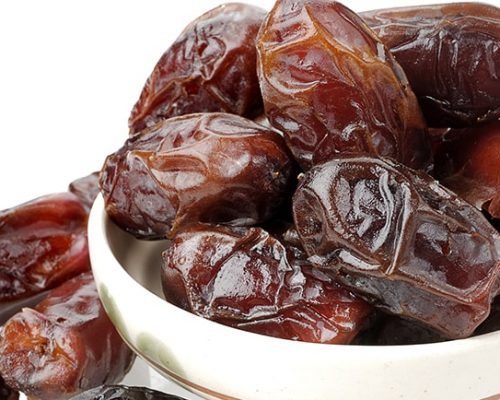
For a stall owner or caterer, a trip to the Kedai Kurma to restock can take up a whole morning: the drive, the parking, the wait at the counter, the carry back to the van. Ordering online can win that time back, and with some care it can save money too. It can also waste both if you order carelessly. Here is where each one is won or lost when you buy kurma in bulk online.
Where the time is saved
The biggest saving is the trip itself. A restock becomes a message or a checkout plus a delivery slot, and you keep working while it is on the way.
The second saving comes on repeat orders, and only if you keep records. Write down the exact product name, grade and carton size of every order that sold well. The next restock is then a reorder of a known item instead of a fresh comparison of ten listings.
Where the time is lost
Online buying gets slow when a listing leaves things out. If it does not state the grade, the packing or harvest date and how the carton is packed, you will spend days messaging back and forth before you can order. Put those questions to a new seller in one message, before you pay. A seller who answers all of them clearly is worth keeping. One who dodges them will cost you more time later.
Where the money is saved
Compare landed cost, not the headline price. Add the delivery charge to the product price and divide by the number of kilos. A listing that looks cheaper per kilo can work out dearer once freight is added, and a seller who includes delivery can turn out to be the better deal.
Then compare carton sizes from the same seller, since the per-kilo price can differ between a 5kg and a 10kg box. Our longer guide on wholesale prices is written for buyers seeking high-quality dates in Malaysia, and the post on how grading affects kurma prices explains why A and AAA of the same variety are priced apart.
Where the money is lost
A cheaper per-kilo price on a carton you cannot sell in time is not a saving. Soft, moist dates keep for less time than dry ones, so a stall that sells mostly to walk-in customers should size its order to what it actually moves between restocks. The wrong grade wastes money too. A bakery needs even sizing, while a hamper business pays for looks. Buying the top grade for a use that does not show it is money spent for nothing.
Picking the right seller and variety
Online shops offer a diverse range of date varieties, so you may be able to buy two or three varieties from one supplier in one delivery and pay one freight charge instead of three. If you are setting up to resell, read our guide to building a wholesale kurma business. To compare suppliers on more than price, see how Malaysian kurma suppliers actually differ.
In short: keep records so reorders are quick, ask your questions in one message, compare landed cost, and order only what you can sell while it is still good.