
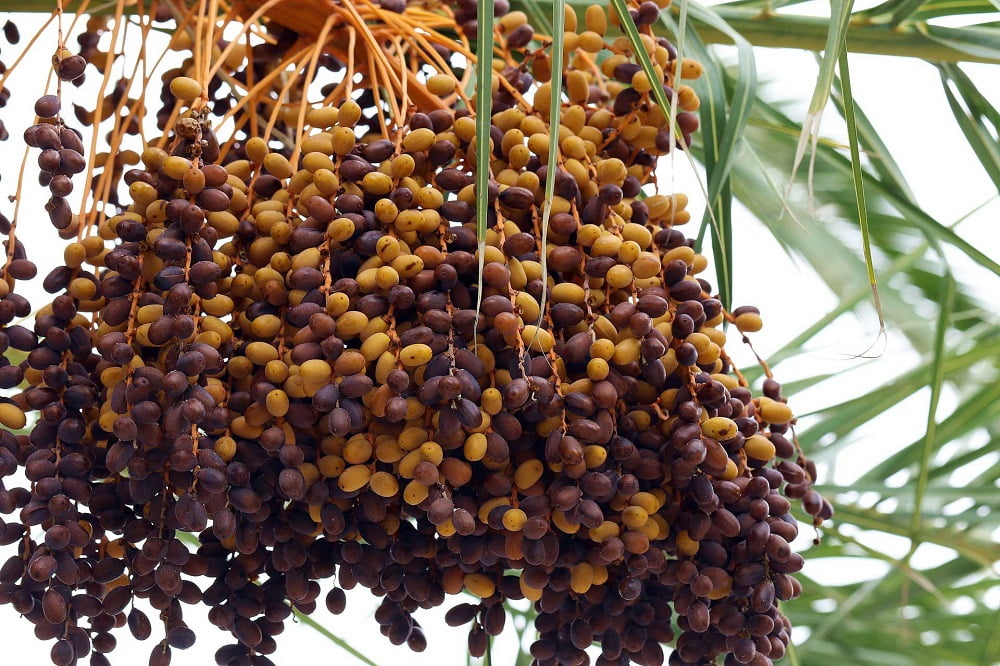
What "kurma harga" actually means
"Kurma harga" is just Malay for the price of dates, but the phrase covers a lot of ground: a small pack of loose dates at a wet market, a sealed box of Kurma from a specialty seller, or a carton bought for a corporate hampers order. Each of those sits at a different price point for reasons that have nothing to do with marketing and everything to do with what's inside the box.
Why the same word "dates" covers such a wide price range
Two boxes labelled "dates" can be worlds apart. Variety is the first split. Ajwa and Safawi both come from Madinah in Saudi Arabia, Medjool mostly from Palestine and Jordan, and Mariami from Iran, so each one reaches Malaysia through its own supply chain. A grower in Madinah and a grower in Jordan are not working on the same cost base, and their dates won't land here at the same price either. Add in shipping distance, import duty, and how many hands the stock passes through before it reaches a Malaysian shelf, and the spread between a budget pack and a premium box starts to make sense.
The grading factors that actually move the price
Size is the most visible one. Sellers sort dates into size bands, commonly labelled small, medium, large and jumbo, and a jumbo Medjool normally costs more per kilogram than a smaller band of the same variety.
Moisture and texture matter just as much even though they're less obvious in a photo. A date that's too dry crystallises and loses the soft bite buyers pay for; one that's too moist ferments faster and won't survive weeks on a shelf. Graders feel for a tender, slightly chewy texture with no stickiness or hardness at the edges — that judgment call is part of why a hand-graded batch costs more than a bulk-sorted one.
Skin condition is the third factor sellers actually price on. A whole, unbroken skin with even colour sells for more than a mixed batch where some fruit has torn skin or sugar spotting on the surface. None of that changes the taste much, but it changes how the fruit looks on a table, and buyers pay for that.
Freshness rounds it out. Dates bought close to harvest season, before long cold storage, tend to hold better texture. Off-season stock that's been through months of storage is usually the cheaper option in the same variety, and that's a fair trade if you're buying for cooking rather than gifting.
A short checklist before you pay
Ask what variety you're actually buying — a vague "premium dates" label on a box tells you nothing. Ask when the batch was packed, not just when it was sold to the shop. Look at the fruit itself if you can: even colour, no visible mould, no strong fermented smell. And compare like with like: a jumbo Medjool against another jumbo Medjool, not against a small pack or a different variety, or the comparison tells you nothing.
If you're weighing up Medjool specifically, this breakdown of what actually moves Medjool prices goes deeper into that one variety, and this guide to understanding dates prices covers the buying side in more detail. The rest of our guides on dates are linked from the home page.