
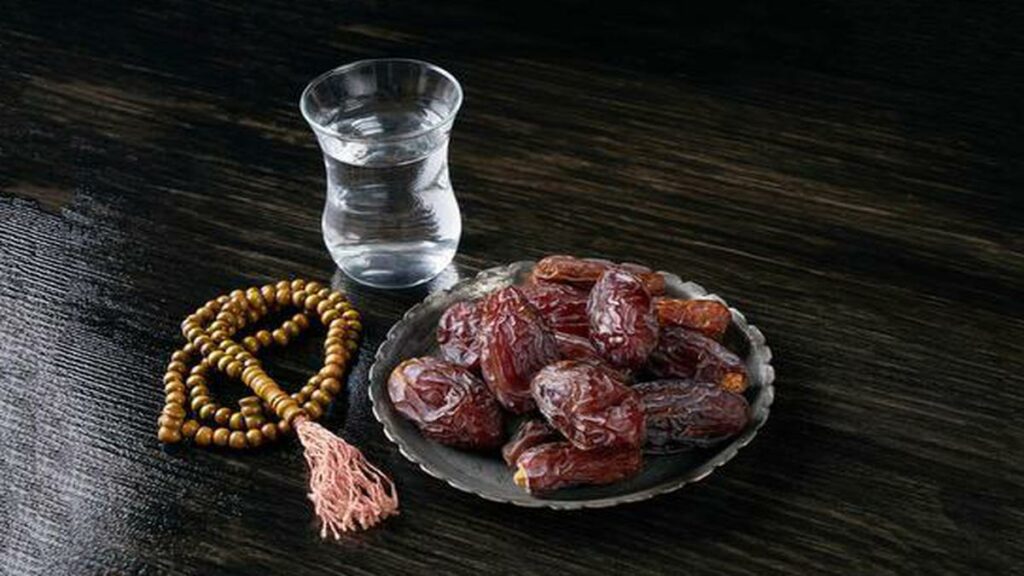
Why festive demand is a wholesaler's problem, not just a shopper's
Buah kurma sells in two completely different rhythms in Malaysia. Households buy a pack or two when they need it. Hampers makers, grocers and event caterers buy pallets, weeks ahead, on a schedule that has nothing to do with when Ramadan actually starts. If you supply the second group, the festive-season spike is a stock-planning exercise, not a marketing moment. Get the timing wrong and you're either sitting on unsold stock in June or turning away a 500kg order two weeks before Raya.
The order curve doesn't match the retail curve
Retail demand climbs in the two weeks before Ramadan and peaks again just before Eid. Wholesale orders arrive earlier — often 6 to 8 weeks out — because a hamper business or grocer needs the stock in hand before their own customers start asking. A distributor who only watches retail search trends will place their container order too late and pay air-freight premiums to fix it. This is one reason bulk buyers who lock in a supply arrangement in April, well before the rush, get better pricing than the ones who call in May.
Minimum order quantities shift with the season
Outside festive months, a supplier's MOQ might sit around 50-100kg per variety. Ahead of Ramadan, MOQs often drop for repeat buyers — suppliers want commitment volume locked in early, so they're willing to take smaller confirmed orders in March in exchange for the buyer coming back for the full order in April. If you're new to bulk buying, ask about this directly rather than assuming the MOQ is fixed year-round.
Price gaps between off-peak and peak
The spread between what a wholesaler pays in January and what a walk-in retail buyer pays in the week before Eid can be significant — sometimes 20-30% on the same grade. That gap exists because the supplier is managing their own inventory risk: stock bought and warehoused months ahead carries a cost, and buyers willing to absorb that timing risk get rewarded with a lower unit price. A reseller planning a hamper line should be buying well before the compressed peak, not during it.
What changes for grocers and hamper businesses specifically
Grocers restocking shelves week to week care about turnover speed and shelf life — a variety like Sukkari or Khudri that moves fast is worth carrying even at a thinner margin. Hamper assemblers care about presentation grade and consistency across a large batch, since a hamper with visibly mismatched dates looks cheap regardless of taste. These are different buying criteria from a household shopper picking one box, and it's worth stating that requirement plainly when placing an order rather than assuming a supplier will guess it.
Checking consistency before committing to volume
A single sample box can look excellent and still not represent a 200kg order pulled from different lots. Ask for the harvest batch or lot number, and where possible request photos of the actual pallet being shipped, not a stock photo. Consistency in size and moisture across the batch matters more at wholesale volume than at retail, because a mismatched batch is much harder to sell through quietly one box at a time.
Planning around the moving Ramadan date
Ramadan shifts roughly 10-11 days earlier on the Gregorian calendar every year, which means a supply plan that worked last year needs re-checking, not copying. A distributor ordering in mid-March last year may need to order in early March this year to hit the same lead time. Building this into a yearly buying calendar, rather than reacting each season, is what separates buyers who get first pick of the better grades from ones stuck with whatever's left in the final two weeks.
Where to start
For businesses ordering their first bulk shipment, working from a wholesale buying guide that lays out lot sizes, grades and delivery terms saves a lot of back-and-forth with a supplier. It's also worth reviewing current date prices and grading before negotiating volume, so you know what a fair off-peak price actually looks like against the peak-season number you'll be quoted closer to Ramadan.