
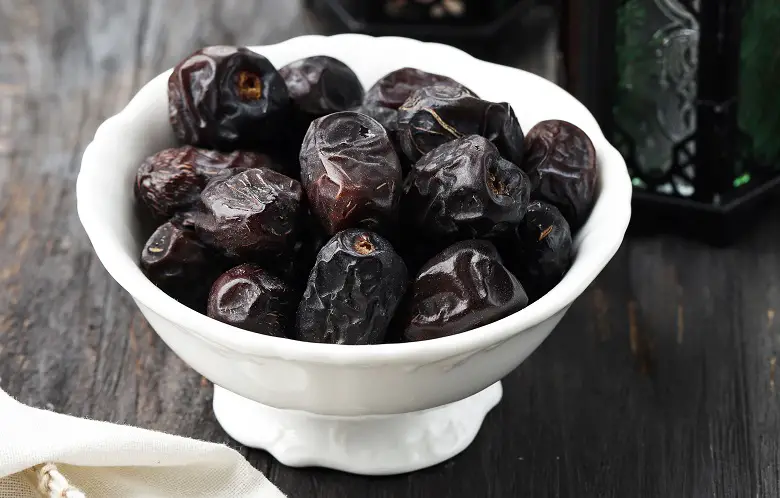
A wholesale buyer stocking Kurma faces a different question than a shopper picking one pack for the pantry: how much of each variety to commit to, and for how long it needs to sit in storage before it turns over. Local Malaysian varieties like Barhi and Sarahwi move in small, seasonal batches. Imported staples such as Medjool and Deglet Noor arrive already dried and packed for a longer shelf life, which changes how a pemborong kurma malaysia plans a reorder.
Why local batches force smaller order quantities
Malaysian-grown dates harvest within a narrow window each year. A buyer who commits to a large local order outside that window is usually buying from limited cold storage, not fresh stock, and pays for it. Smaller, more frequent orders keep the product moving and reduce the risk of holding dead stock past its best condition.
Imported dates carry differently on the shelf
Medjool and Deglet Noor are typically vacuum-packed or cartoned for export, so a 10kg or 20kg case holds its texture for months at room temperature if kept out of direct heat. That longer runway is why many stockists lean on imports as the reliable base of their range and treat local dates as a rotating seasonal add-on rather than the anchor product.
Matching order size to turnover, not to price alone
A lower per-kg price on a bulk import case means nothing if a third of it dries out or discolours before it sells. Before increasing an order, check how fast the current case is actually moving off the shelf — weekly, not monthly — and size the next order to that real number. Grading terms matter here too: a Jumbo-grade case sells slower per unit than a standard grade at the same price point, simply because fewer buyers need that size.
Testing a new variety before committing to volume
Before placing a full case order on an unfamiliar local variety, order a sample carton first and gauge repeat interest over two to three weeks. This is standard practice among wholesalers testing new stock lines, and it avoids sitting on a large batch of a variety that doesn't move in a specific area.
Building a mixed range
Most stockists end up running both: two or three imported staples that never go out of stock, plus one or two local varieties bought in smaller rotating batches. Sourcing practices that favour consistent local suppliers also help smooth out the seasonal gaps, so the shelf never looks empty between local harvests.