
A per-100g calcium figure is hard to picture on a plate. A clearer question is how much of a food you would have to eat to get a whole day's calcium from it alone. Once you see those amounts, it becomes obvious which meals carry calcium and which only add a little. The day's figure below is the NHS one, and the food values are per-100g figures from USDA FoodData Central.
The number to aim for
The NHS says adults aged 19 to 64 and over need 700mg of calcium a day, and that you should be able to get all the calcium you need from your daily diet. Its list of sources includes milk, cheese and other dairy foods; green leafy vegetables such as curly kale and okra, but not spinach; soya drinks with added calcium; bread and anything made with fortified flour; and fish where you eat the bones, such as sardines and pilchards.
How much of one food gives 700mg
Divide 700 by each food's calcium per 100g and you get the weight needed to cover the day. All the rows are SR Legacy records, last updated in 2019.
| Food (USDA FoodData Central) | Calcium per 100g | Amount for 700mg |
|---|---|---|
| Cheddar cheese | 710mg | about 99g |
| Firm tofu, prepared with calcium sulfate | 683mg | about 102g |
| Atlantic sardines, canned in oil, with bone | 382mg | about 183g |
| Kale, raw | 254mg | about 276g |
| White bread | 144mg | about 486g |
| Soymilk, unsweetened, with added calcium | 124mg | about 565g |
| Plain whole-milk yoghurt | 121mg | about 579g |
| Whole milk, 3.25% milkfat | 113mg | about 619g |
| Okra, raw | 82mg | about 854g |
| Medjool dates | 64mg | about 1.1kg |
| Deglet Noor dates | 39mg | about 1.8kg |
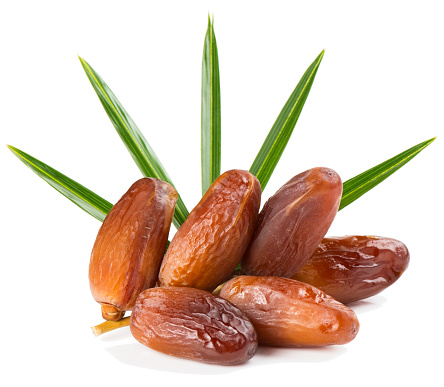
The top two rows are the striking ones. Roughly 100g of cheddar or calcium-set tofu holds a full day's figure. The tofu value only applies to tofu made with calcium sulfate, so look for that on the pack. Milk and fortified soymilk each need more than half a kilo. Dates sit at the bottom: you would need more than a kilo of Medjool, and nearly two kilos of Deglet Noor, the golden, semi-dry date from Tunisia and Algeria.
Thirds are easier than wholes
Eating 183g of sardines at one sitting is a lot to ask. Split the 700mg across three meals and each one needs only about 233mg. That is a much friendlier amount of food:
- 200g of plain whole-milk yoghurt gives about 242mg
- a 200g glass of whole milk gives about 226mg
- 60g of canned sardines with bone gives about 229mg
- 33g of cheddar gives about 234mg
- 35g of calcium-set firm tofu gives about 239mg
- 90g of raw kale gives about 229mg
Pick one per meal. A yoghurt breakfast, a sardine lunch and a kale side at dinner add up to about 700mg between them, without any single plate being heavy on one food. The NHS also notes the other end: taking high doses of calcium, more than 1,500mg a day, could lead to stomach pain and diarrhoea. Three thirds stay far below that.
Where dates fit
To get one third of the day from Medjool alone you would eat about 365g. That is not a realistic plan. A 30g serving of Medjool gives about 19mg; the same weight of Deglet Noor gives about 12mg. So the dates in a calcium meal are there for flavour. Put 30g of chopped Medjool on that 200g bowl of yoghurt and the bowl comes to about 261mg.
The NHS counts a 30g portion of dried fruit, dates included, as 1 of your 5 A Day, and it says that portion should be eaten at mealtimes, not as a snack between meals, to reduce the impact on teeth. A yoghurt bowl at breakfast fits that advice.
This post has long linked to Kurma medjool Malaysia, an outside site, and the link is kept. Kurma Borong Malaysia handles both retail and wholesale buyers with delivery across the country, as set out on the about us page. For a quote or an order, the contact page gives the WhatsApp number.
These numbers are general nutrition information, not personal advice. A GP or dietitian can help with an individual diet.