
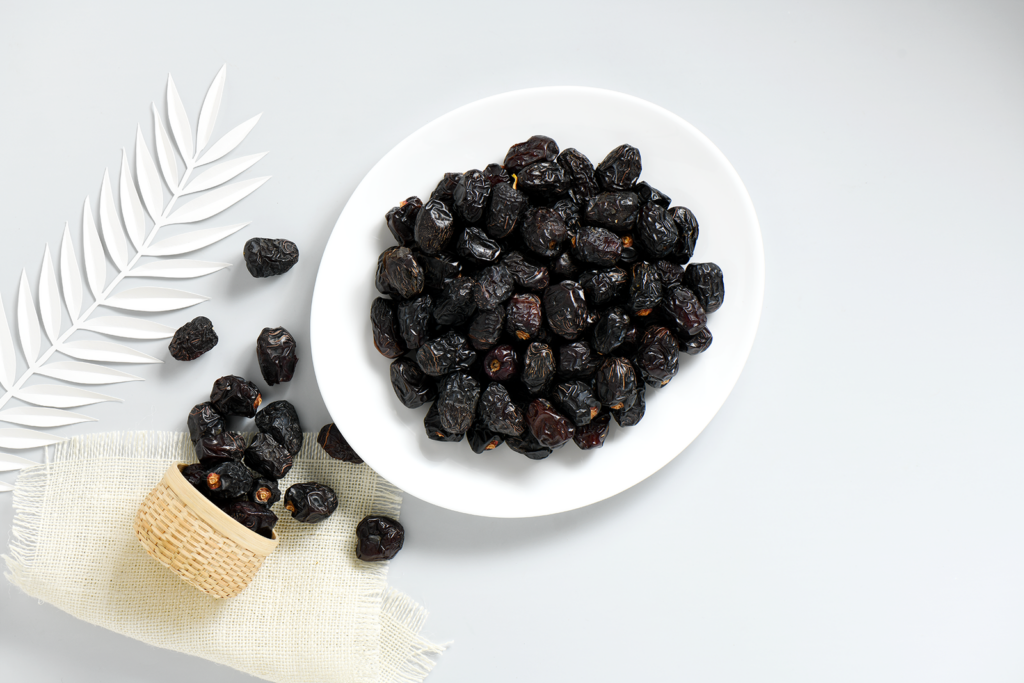
The name is bigger than the fruit
Ask ten Malaysian date buyers what "Kurma Nabi" is and most will say Ajwa — the small, dark date from the groves around Al-Madinah in Saudi Arabia. It's not a separate cultivar; it's the same Ajwa palm, sold under a name that Malaysian and Indonesian shoppers recognise on sight. That naming gap matters for a wholesaler: if a customer asks for "Kurma Nabi" by name, they expect Ajwa quality, Ajwa origin, and Ajwa pricing — not a substitute.
Sourcing it for stock
Because the growing region is small, genuine supply is tighter than for Medjool, Mariami or Safawi, and that shows up in your landed cost. A few things worth checking with any supplier before you commit to a pallet:
Confirm Saudi origin on the shipping documents, not just the retail packaging — mixed-origin lots do circulate. Ask for the harvest date, since older Ajwa stock is sometimes moved through the market relabelled as current season. And price it against Medjool at the same grade; if a "Kurma Nabi" lot is priced well under Medjool, that's usually a sign it's a cheaper variety wearing the name rather than the real thing.
Why demand spikes around Ramadan
Breaking the fast with a date is a widespread custom across Muslim communities, and it's the single biggest driver of Malaysian date sales each year. Kurma Nabi rides that wave harder than most varieties because of name recognition — buyers who wouldn't otherwise compare grades will ask for it specifically at a Ramadan bazaar stall. Retail prices climb accordingly in the final two weeks before the fasting month starts, which is exactly when a wholesaler's pre-Ramadan buy needs to already be in the warehouse.
Stocking and shelf life
Ajwa/Kurma Nabi sits between fresh Medjool and fully dried Deglet Noor on moisture content. Held cold and sealed, it keeps its texture for months; left in a warm stockroom it dries out and can crystallise on the skin within weeks, which shows up as customer complaints about "hard" dates even though nothing has spoiled. Rotating stock on a first-in-first-out basis matters more for this variety than for the drier grades.
Selling it on
For retailers buying from you, the name alone often closes the sale — but a wrinkled, matte-dark skin and a firm bite are the two checks worth passing on to your customers so they can tell genuine stock from a substitute. If you're building out a first wholesale order across varieties rather than just this one, our guide to choosing varieties for a first bulk order and the commercial guide to building a date wholesale business cover the rest of the range.
A quick check before you commit to a pallet
Ask for a sample cluster before signing off on a full pallet, not just a photo. Ajwa's skin should look matte and slightly wrinkled rather than glossy, since a glossy finish often means glucose syrup has been added to mask an older batch. A genuine Madinah lot also smells faintly caramelised rather than sharply sweet; a sharp, syrupy smell is usually the giveaway for treated stock.