
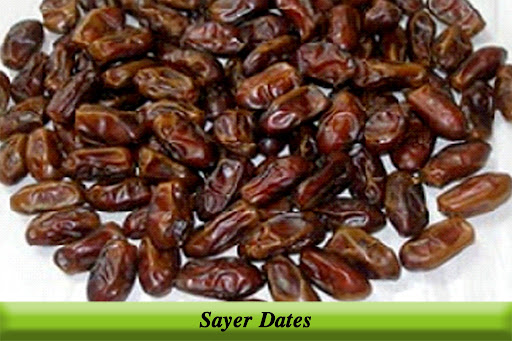
Bakeries and cafés looking for a natural sweetener alternative often overlook Sayer dates, mostly because the variety isn't marketed the way Medjool or Ajwa is. That's actually good news for a business buying in bulk — Sayer costs less per kilo and does the job just as well once it's cooked down.
Grown in Khuzestan, Iran, and harvested from around September, Sayer's defining trait is softness. It's high in natural sugar and breaks down into a smooth paste with very little cooking, which is exactly the property that makes it useful commercially: dessert manufacturers use it as a base for dates syrup, glazes, and as a partial sugar-replacement in baked goods where a caramel-molasses flavour note is welcome.
Ordering in bulk, the key decision is grade. Whole-fruit retail-grade Sayer costs more and isn't necessary if the fruit is going straight into a blender — Sayer dates sold as "processing grade" are cheaper, less cosmetically uniform, and functionally identical once pitted and cooked. Ask your supplier specifically for processing grade if you're buying for paste, syrup, or baking rather than a display case.
For consistency across batches, ask for a moisture spec on each shipment — Sayer's moisture content varies more between harvests than a drier variety, and that affects how much water you'll need when making paste or syrup at scale. Store bulk stock refrigerated and sealed; at room temperature, especially in a warm kitchen environment, the natural sugars can start to weep and the batch can clump.
A useful comparison point: Medjool dates suit a display case or a whole-fruit dessert garnish, while Sayer is the more economical choice as a cooked ingredient. Many kitchens use both — Medjool for presentation, Sayer for the actual sweetening work.
See our current Sayer Dates stock, or browse the full range on the home page.